
Padua, Treviso and Venice
Two weeks in Padua, six nights in Treviso, and day trips to Venice.
Padua Padova, Italy
Padua combines historic architecture, religious landmarks, university life, traditional markets, and excellent railway connections. It offers many of the advantages of staying near Venice without the constant crowds or dependence on water transportation.
Padua, Italy for Two Weeks | What Slow Travelers Should Know
Top 5 Things to See
Scrovegni Chapel
The chapel houses an extraordinary collection of frescoes painted by Giotto in the early 14th century. The beautifully decorated interior, particularly its deep-blue ceiling, represents an important development in European art. Admission is timed, and advance reservations are strongly recommended.
Prato della Valle
One of Europe’s largest public squares, Prato della Valle features a central green island surrounded by a canal and dozens of statues. It is as much a neighborhood gathering place as a historic attraction. Residents come here to walk, exercise, relax, and browse the markets held throughout the year.
Basilica of Saint Anthony
This enormous basilica combines Romanesque, Gothic, and Byzantine architectural influences. Its distinctive domes, elaborate interior, and religious significance attract pilgrims from around the world. Even without a particular interest in religion, the architecture and surrounding courtyards make it worth visiting.
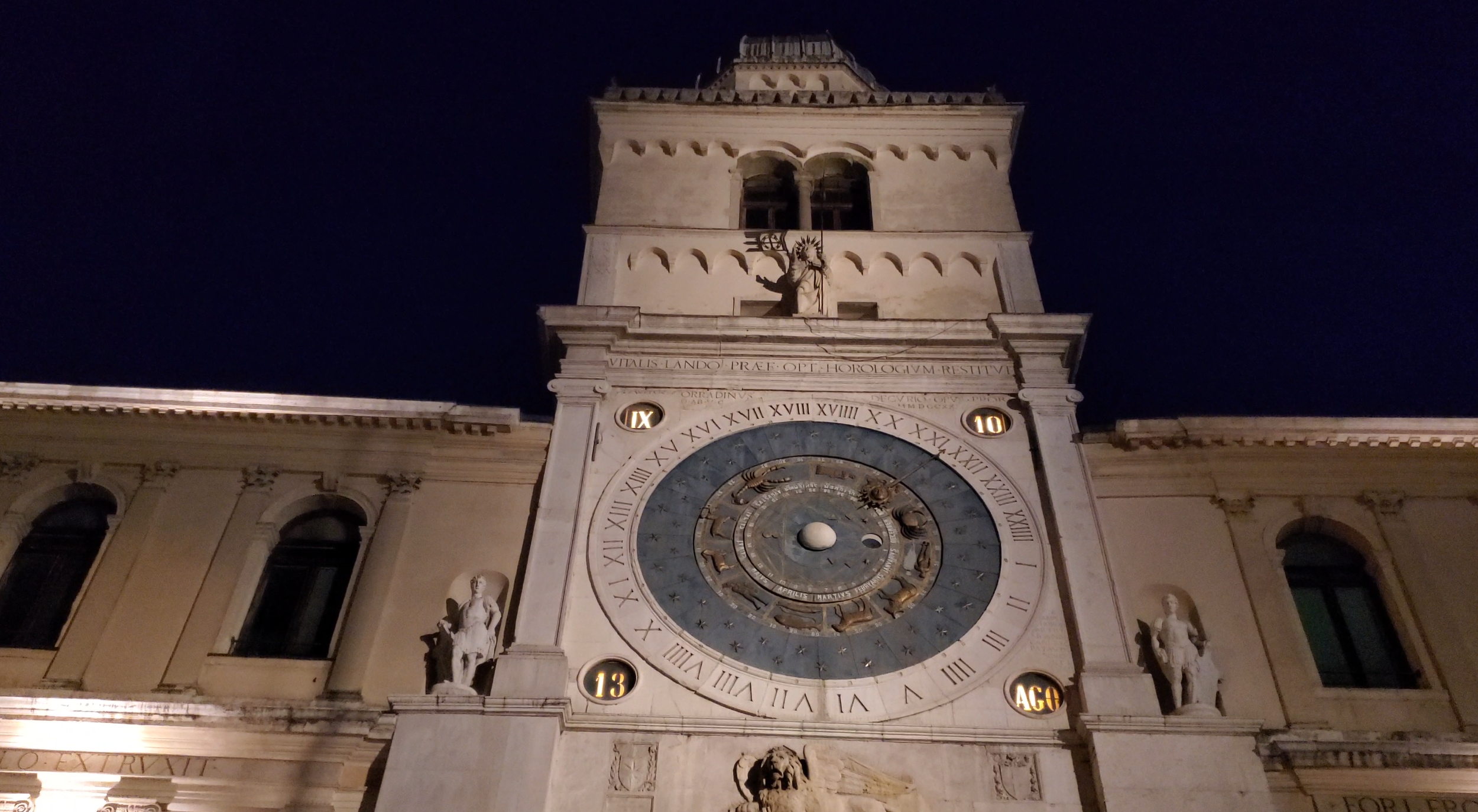
Palazzo della Ragione
This medieval building stands between two of Padua’s principal market squares. Its enormous upper hall features fresco-covered walls and an impressive wooden roof, while the lower level contains traditional food shops. The surrounding area remains central to everyday commercial life.
Palazzo Bo
The historic headquarters of the University of Padua offers an interesting look into the history of medicine, astronomy, and scientific education. Galileo taught at the university, and its historic Anatomical Theatre is among its most important features. Guided tours provide context that would otherwise be easily overlooked.
Top 5 Things to Do
Explore the Historic Market Squares
Piazza delle Erbe, Piazza della Frutta, and Piazza dei Signori form a lively network of public spaces. Browse produce stalls, independent food shops, and cafés while experiencing the city’s daily routines.
Visit the Botanical Garden
Established in 1545, Padua’s botanical garden is the world’s oldest university botanical garden still in its original location. Its historic gardens and modern greenhouses provide a peaceful change from the busy city streets.
Enjoy a Traditional Venetian Aperitivo
Padua has a strong aperitivo culture, with residents gathering for spritzes, wine, and small snacks before dinner. The historic squares and surrounding lanes offer everything from inexpensive standing bars to elegant outdoor terraces.
Explore the Historic Jewish Quarter
The former Jewish Ghetto contains narrow streets, historic buildings, independent boutiques, and intimate restaurants. It is particularly enjoyable in the evening and offers a different atmosphere from the city’s larger public squares.
Take Regional Day Trips by Train
Padua is an excellent base for visiting Venice, Vicenza, Verona, Treviso, and the thermal spa towns of Abano and Montegrotto. Its railway connections allow travelers to explore several destinations without renting a car or changing accommodations.
Top 5 Things to Eat
Bigoli
This thick, spaghetti-like pasta is a traditional Veneto specialty. Its slightly rough texture works particularly well with rich sauces, including slow-cooked meat ragù and traditional onion-based preparations.
Risotto
Rice is an important part of Veneto’s culinary heritage. Risotto preparations change with the seasons, incorporating asparagus, mushrooms, radicchio, and other regional produce.
Gallina Padovana
The Paduan hen is a distinctive heritage chicken breed associated with the region. It appears in traditional preparations such as roasted chicken, slow-cooked dishes, and flavorful broths.
Cicchetti
These small savory snacks are commonly enjoyed with wine or a spritz. Selections may include crostini, cured meats, cheese, vegetables, meatballs, and seafood.
Pazientina
This traditional Paduan cake combines almond-based pastry, sponge cake, zabaglione cream, and chocolate. Its rich layered construction makes it a particularly indulgent local dessert.
Where to Stay
| Area | Best suited for |
|---|---|
| Historic center | First-time visitors, markets, restaurants, and sightseeing |
| Prato della Valle | Quieter surroundings and longer stays |
| Santo Stefano / Basilica area | Historic atmosphere and convenient walking |
| Railway station area | Travelers prioritizing frequent day trips |
| Portello | Student atmosphere and neighborhood conveniences |
The historic center offers the most convenient overall experience, while accommodations within walking distance of the railway station are particularly practical for regional exploration.
When to Visit Padua
Winter
Cold, damp, and occasionally foggy. Daytime temperatures generally reach 43–50°F. Museums, churches, and cafés remain appealing.
Spring
Increasingly comfortable temperatures, active university life, outdoor dining, and excellent sightseeing conditions.
Summer
Hot and humid, frequently reaching the upper 80s or low 90s°F. August can be noticeably quieter due to Ferragosto and university holidays.
Autumn
September and October offer comfortable walking weather, active markets, and seasonal cuisine. November becomes considerably cooler and wetter.
Best months: April, May, September, and October.
August is worth considering carefully for longer stays. Although major attractions remain accessible, the departure of students and residents, combined with independent business closures, can make Padua feel unusually quiet.
How to Get to Padua
From the United States: Fly into Venice Marco Polo Airport, either directly where available or through a European hub. Airport coaches connect Venice Airport with Padua. Alternatively, travel through Milan or Rome and continue by high-speed train.
From Europe: Venice Marco Polo and Treviso airports both provide convenient access. Venice generally offers a wider selection of international flights, while Treviso serves numerous budget airline routes.
From other parts of Italy: Padua is served by regional and high-speed trains and is well connected to northern and central Italy.
| Departure city | Approximate train journey |
|---|---|
| Venice | 25–40 minutes |
| Vicenza | 15–30 minutes |
| Verona | 45–60 minutes |
| Treviso | 55–75 minutes |
| Bologna | 60–90 minutes |
| Florence | 1 hour 45 minutes–2 hours |
| Milan | 2–2.5 hours |
| Rome | 3–4 hours |
Journey times vary by service and connections.
Getting Around and Practical Information
Padua’s historic center is relatively flat and easily explored on foot. Trams and buses connect the railway station, residential neighborhoods, and major attractions. A rental car is unnecessary for most visitors.
Air conditioning is important in summer, and mosquitoes can be a nuisance. Travelers planning extended stays should prioritize proximity to supermarkets, transportation, and neighborhood businesses rather than accommodation immediately beside a major attraction.
What It Cost Us in Padua
Total for two people: $2,284 for 14 nights · about $163 a night
Our spending in Padua.
The Vibe of Padua
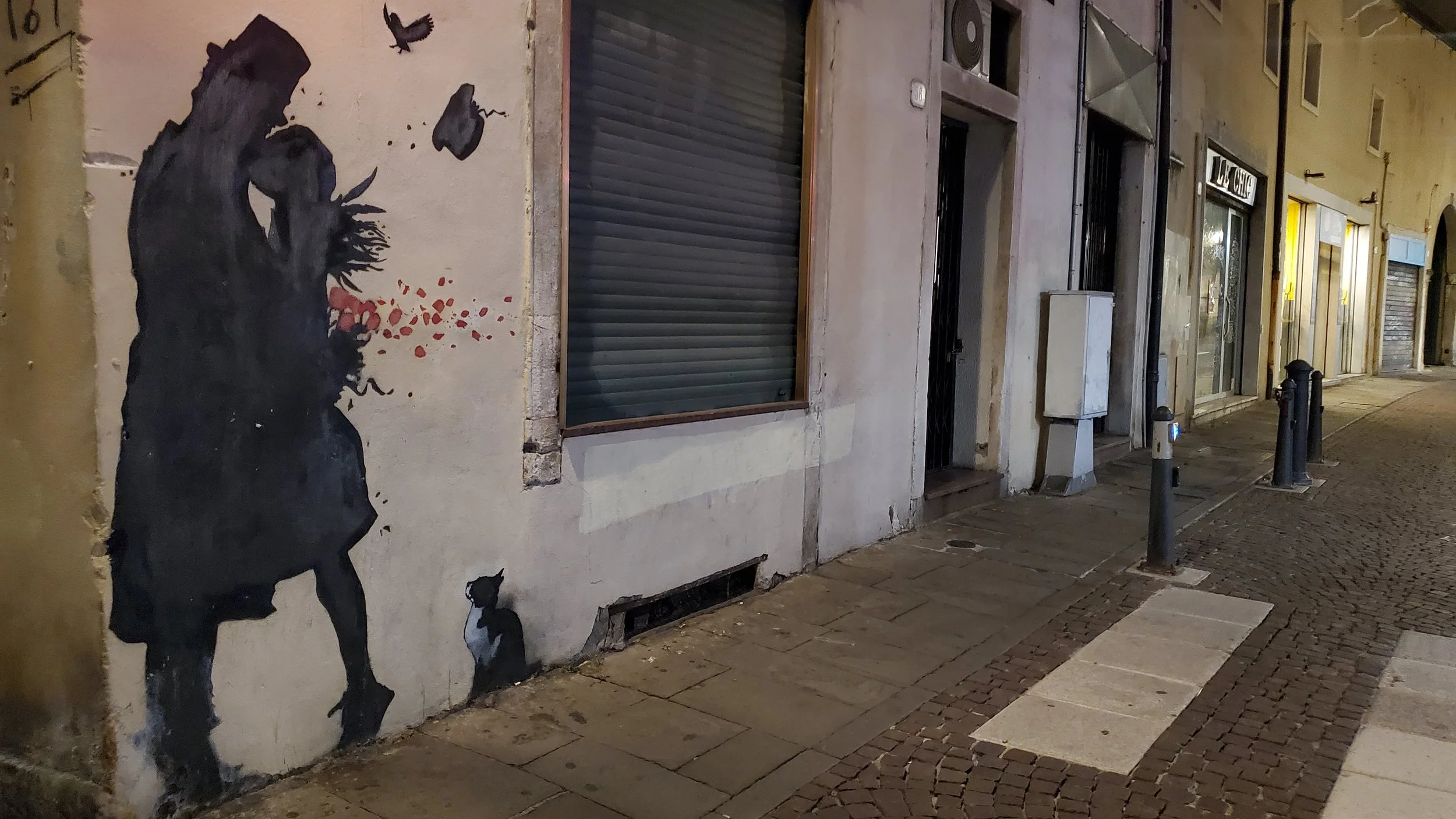
Padua feels historic, academic, understated, and comfortably residential. Its medieval squares, covered walkways, traditional markets, and religious buildings create an attractive setting without overwhelming the city’s everyday identity.
The university brings considerable energy during the academic year, while quieter residential neighborhoods offer a more measured pace. It feels like a place where people study, work, shop, and socialize rather than a destination built primarily around visitors.
Visually, Padua is warm brick, soft terracotta, cream-colored stone, green public spaces, historic archways, and elegant market squares. Its greatest appeal is the combination of cultural depth, manageable size, and convenient access to the rest of Veneto.
Back to top ↑Treviso Italy
Treviso is a smaller Veneto city known for its canals, medieval architecture, traditional food, and proximity to Venice and the Prosecco hills. Its compact historic center and relaxed atmosphere make it particularly appealing to travelers who prefer a quieter Italian experience.
The point of staying in Treviso was simply to go to Venice, but we ended up enjoying our time in Treviso as well.
Treviso Italy Instead of Venice - Was It The Right Choice for Slow Travel?
Top 5 Things to See
Piazza dei Signori
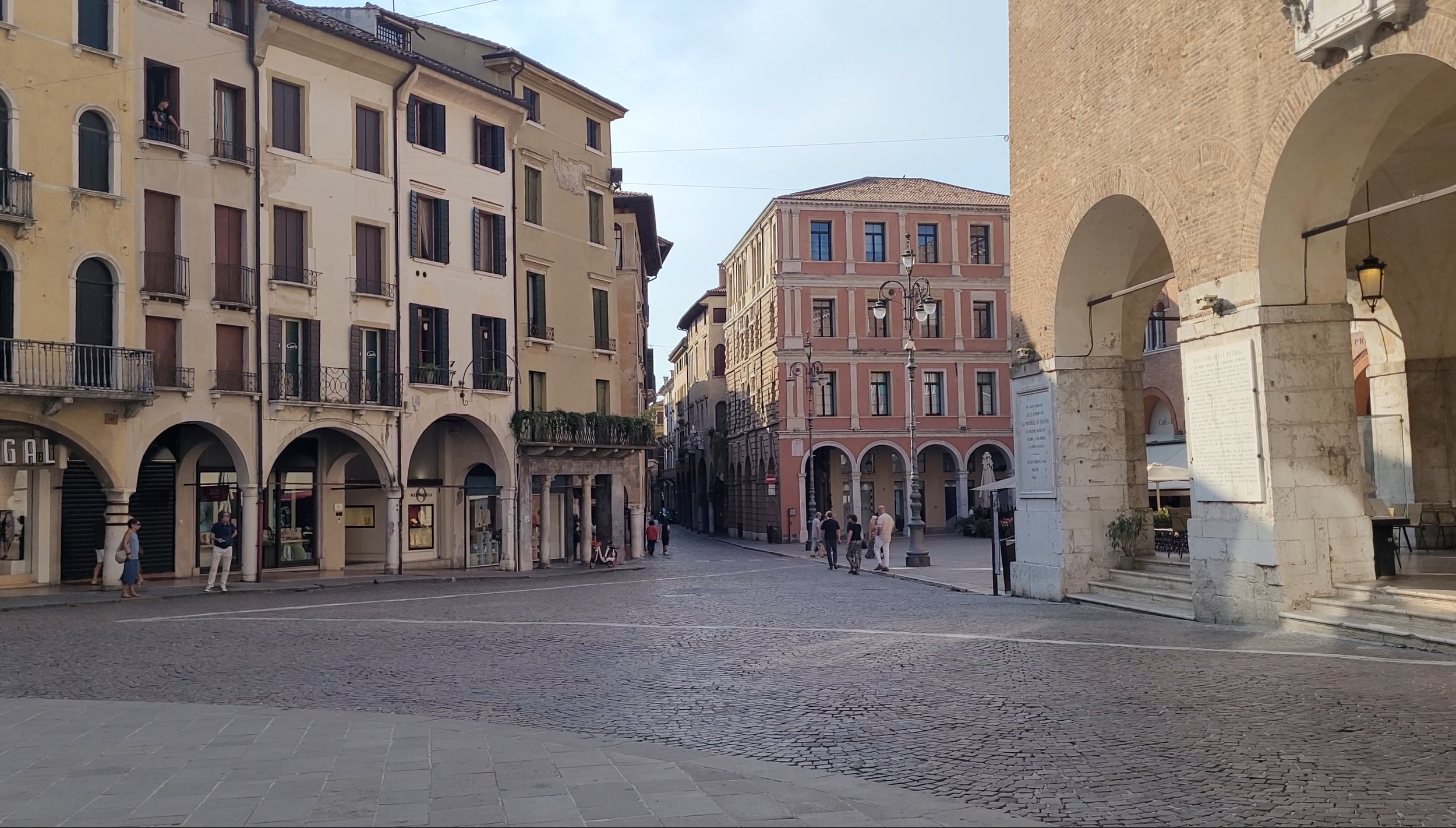
The main square is the social and historic center of Treviso, surrounded by medieval buildings, including the Palazzo dei Trecento and Civic Tower. Outdoor cafés and restaurants make it an enjoyable place to observe everyday life. It is particularly atmospheric during the early evening aperitivo hours.
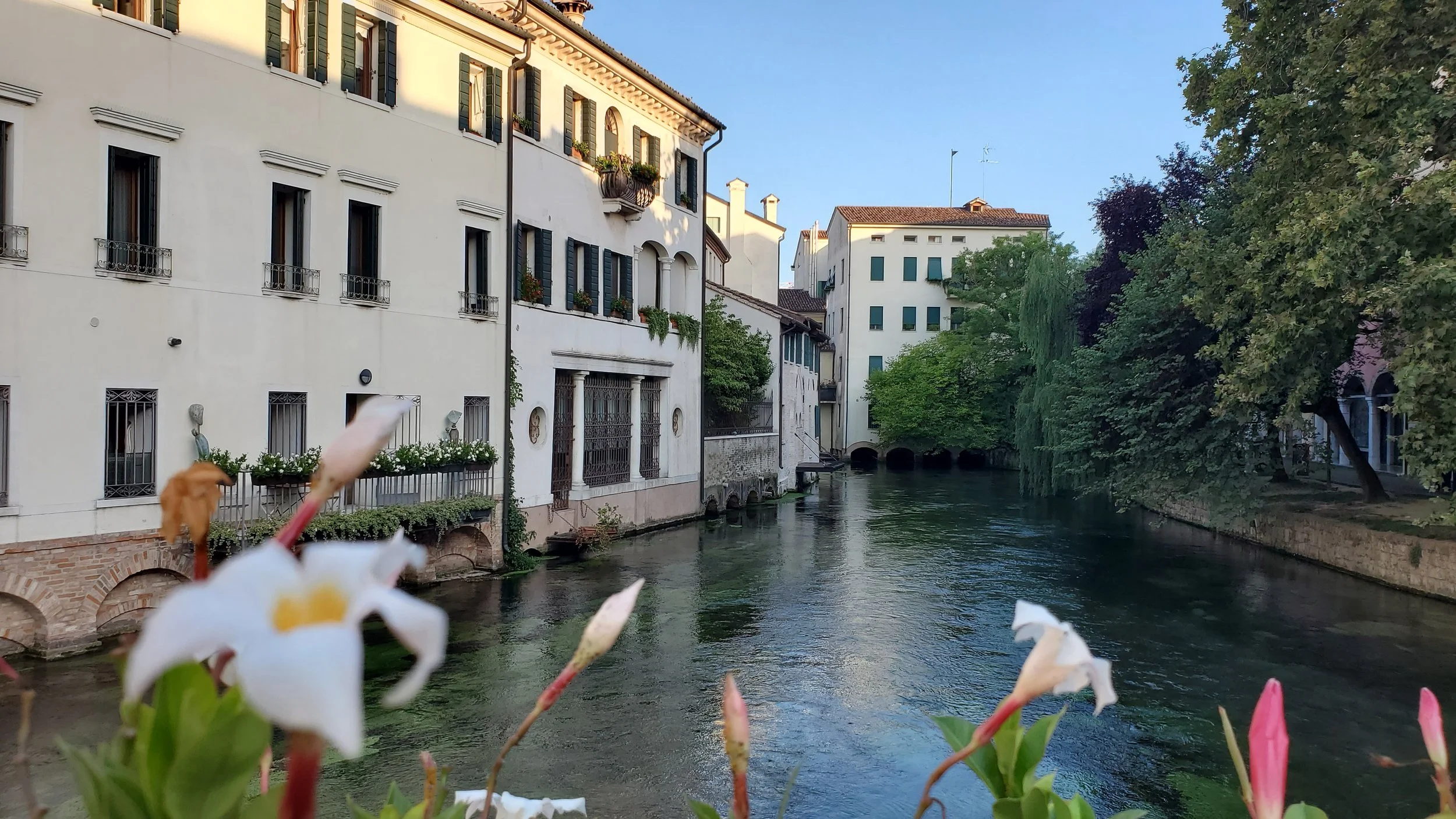
Buranelli Canal
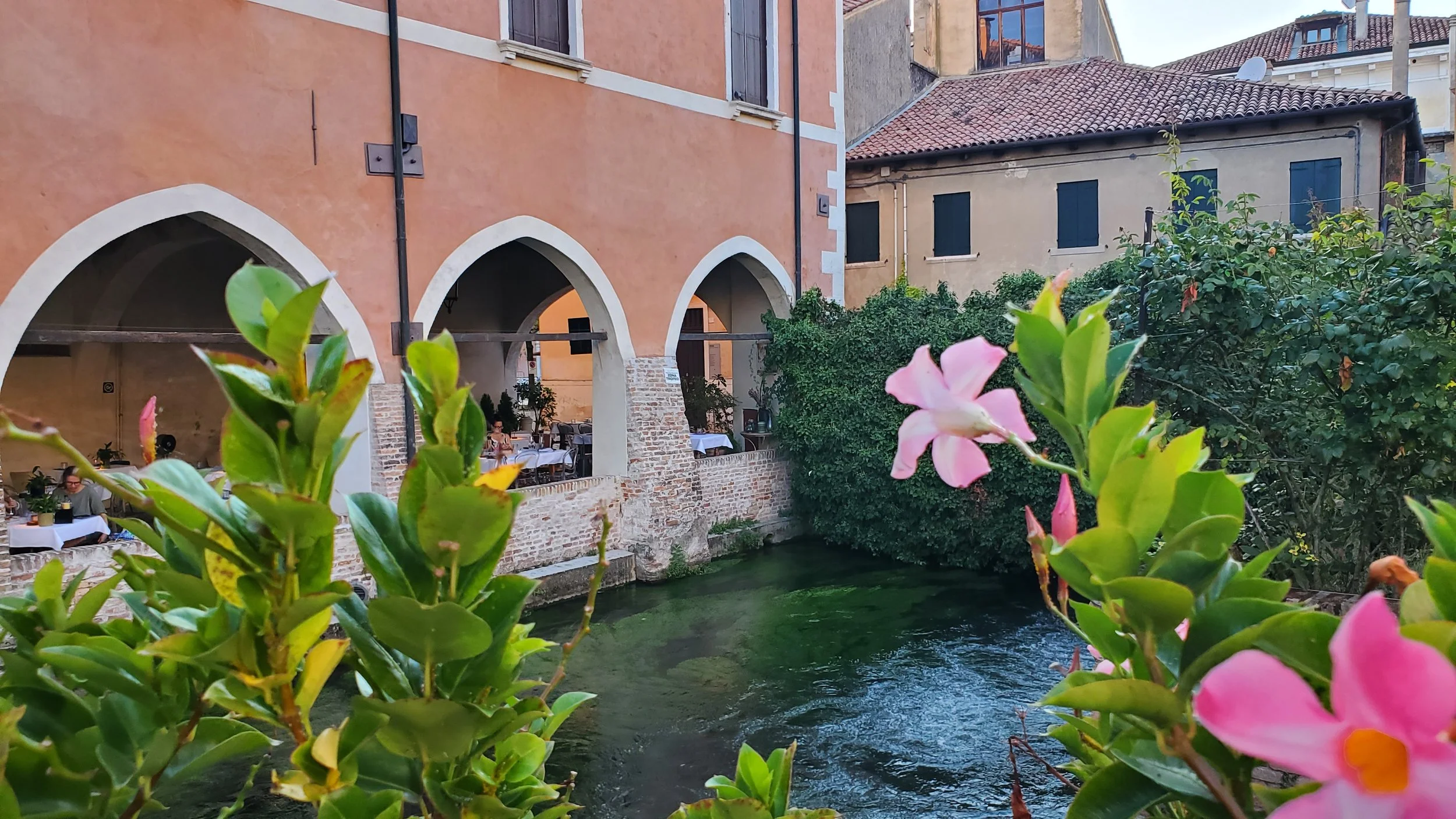
The Buranelli is one of Treviso’s most picturesque waterways, lined with historic houses, covered walkways, and charming bridges. The reflections of the buildings give this part of town a distinctive appearance. The surrounding narrow streets are equally enjoyable to explore.
Isola della Pescheria
This small island in the middle of a canal houses Treviso’s traditional fish market. Morning visits offer an opportunity to see the market in operation and experience its neighborhood atmosphere. The surrounding waterways, bridges, and historic buildings make the area interesting even outside market hours.
Treviso Cathedral
The cathedral’s imposing entrance and domed roof conceal a collection of religious art and architecture developed over centuries. Among its notable artworks is an Annunciation painted by Titian. The cathedral provides an interesting contrast to the city’s smaller medieval churches.
The Medieval Center and Renaissance City Walls
Treviso’s historic center is surrounded by substantial defensive walls, gateways, and waterways. Much of the pedestrian route along the walls is shaded by trees and offers a pleasant escape from the commercial streets. It also provides a greater appreciation of the city’s historic layout.
Top 5 Things to Do
Walk or Cycle Along the Sile River
The Sile River offers peaceful walking and cycling opportunities beyond the historic center. Paths lead past waterways, vegetation, historic buildings, and former industrial sites. It is an excellent activity for travelers who enjoy spending time outdoors without structured sightseeing.
Experience Treviso’s Aperitivo Culture
Wine bars and small traditional restaurants provide plenty of opportunities to enjoy regional wines, spritzes, and cicchetti. The smaller scale of Treviso makes this experience feel particularly relaxed. Canal-side establishments are especially pleasant during warmer months.
Visit the Prosecco Hills
The countryside between Conegliano and Valdobbiadene is known for its vineyard-covered hills and sparkling wine production. Visitors can explore wineries, small villages, and scenic countryside. An organized excursion is worth considering for travelers without a car.
Discover Treviso’s Art Museums
The Santa Caterina Museum, Luigi Bailo Museum, and Salce Collection offer different perspectives on Italian art, history, and design. The collections range from medieval frescoes to modern sculpture and historic advertising posters. They are particularly useful options during colder or rainy weather.
Take Day Trips Around Veneto
Venice, Conegliano, Castelfranco Veneto, and Bassano del Grappa are all accessible by rail, although some journeys require connections. Padua is also within reasonable traveling distance. Treviso works well as a quieter alternative for exploring northeastern Italy.
Top 5 Things to Eat
Tiramisù
Treviso is widely associated with the origins of this internationally recognized dessert, although its precise invention is disputed. The traditional preparation combines coffee-soaked ladyfingers, mascarpone, eggs, sugar, and cocoa. Sampling the classic version is an essential part of experiencing Treviso’s food culture.
Radicchio Rosso di Treviso
This distinctive red chicory is prized for its crisp texture and slightly bitter flavor. It appears in risotto, pasta, grilled vegetable dishes, and salads. Late autumn and winter are particularly good seasons for enjoying the prized late-harvest variety.
Risotto al Radicchio
This creamy rice dish combines the richness of traditional risotto with the distinctive bitterness of locally grown radicchio. Wine, butter, and cheese help balance the flavors. It is especially representative of the regional cuisine during colder months.
Cicchetti
Treviso’s traditional wine bars serve small portions of savory food that can include meatballs, cured meats, cheese, vegetables, and seafood. They are ideal for sampling several regional specialties without ordering a full restaurant meal. Enjoy them with a glass of local wine or Prosecco.
Sopa Coada
This traditional Trevisan dish is a substantial baked preparation made with layers of bread, broth, and pigeon meat. The slow cooking process produces a rich, soft texture rather than a conventional liquid soup. It reflects the region’s historic rural cooking traditions and is more commonly associated with colder weather and traditional restaurants.
Where to Stay
| Area | Best suited for |
|---|---|
| Historic center | Restaurants, sightseeing, and everyday convenience |
| Buranelli and Pescheria | Picturesque surroundings and canal-side atmosphere |
| Railway station area | Frequent day trips and convenient arrival |
| Inside the city walls | Walkability and longer stays |
| Sile River area | Quieter surroundings and outdoor activities |
| Outside the city walls | Potentially better accommodation value |
For travelers without a car, staying inside the city walls or between the historic center and railway station offers the most convenient combination.
When to Visit Treviso
Winter
Cold, damp, and occasionally foggy, with daytime temperatures generally around 43–50°F. Excellent for seasonal cuisine and quieter sightseeing.
Spring
Comfortable walking weather, greener countryside, and increasingly lively outdoor cafés. Ideal for cycling and regional exploration.
Summer
Hot, humid weather, often reaching the upper 80s or low 90s°F. Mosquitoes can be noticeable near rivers and canals. August brings some business closures.
Autumn
Comfortable temperatures in September and early October, vineyard harvests, and the beginning of radicchio season. November becomes cooler and wetter.
Best months: May, June, September, and October.
Treviso is less dependent on international tourism than Venice, but the traditional Italian holiday period still affects opening hours and neighborhood activity in August.
How to Get to Treviso
From the United States: Venice Marco Polo Airport is generally the most convenient international arrival point. Travelers can continue to Treviso by coach, private transfer, or by connecting through Venezia Mestre railway station.
From Europe: Treviso Antonio Canova Airport is particularly convenient for travelers using European budget airlines. Venice Marco Polo Airport offers a wider selection of international routes.
From other parts of Italy: Treviso Centrale railway station provides convenient regional connections, with transfers at Mestre or other major stations for many longer journeys.
| Departure city | Approximate train journey |
|---|---|
| Venice | 30–40 minutes |
| Conegliano | 20–30 minutes |
| Castelfranco Veneto | 25–40 minutes |
| Padua | 55–75 minutes |
| Vicenza | 1–1.5 hours |
| Verona | 1.5–2 hours |
| Bologna | 1.5–2 hours |
| Milan | 3–3.5 hours |
Journey times depend on the service selected and necessary connections.
Getting Around and Practical Information
Treviso’s historic center is compact, relatively flat, and easily explored on foot. The railway station is within walking distance of the main square, making regional excursions straightforward.
A rental car is unnecessary for everyday life in Treviso, although having transportation arranged for countryside excursions can be beneficial. Local buses connect the center with surrounding residential areas and the airport.
Travelers considering longer stays should understand that Treviso offers fewer major attractions and entertainment options than Padua or Bologna. Its appeal is more closely associated with everyday routines, food, outdoor spaces, and a relaxed pace.
What It Cost Us in Treviso
Total for two people: $1,259 for 6 nights · about $210 a night
Our spending in Treviso.
The Vibe of Treviso
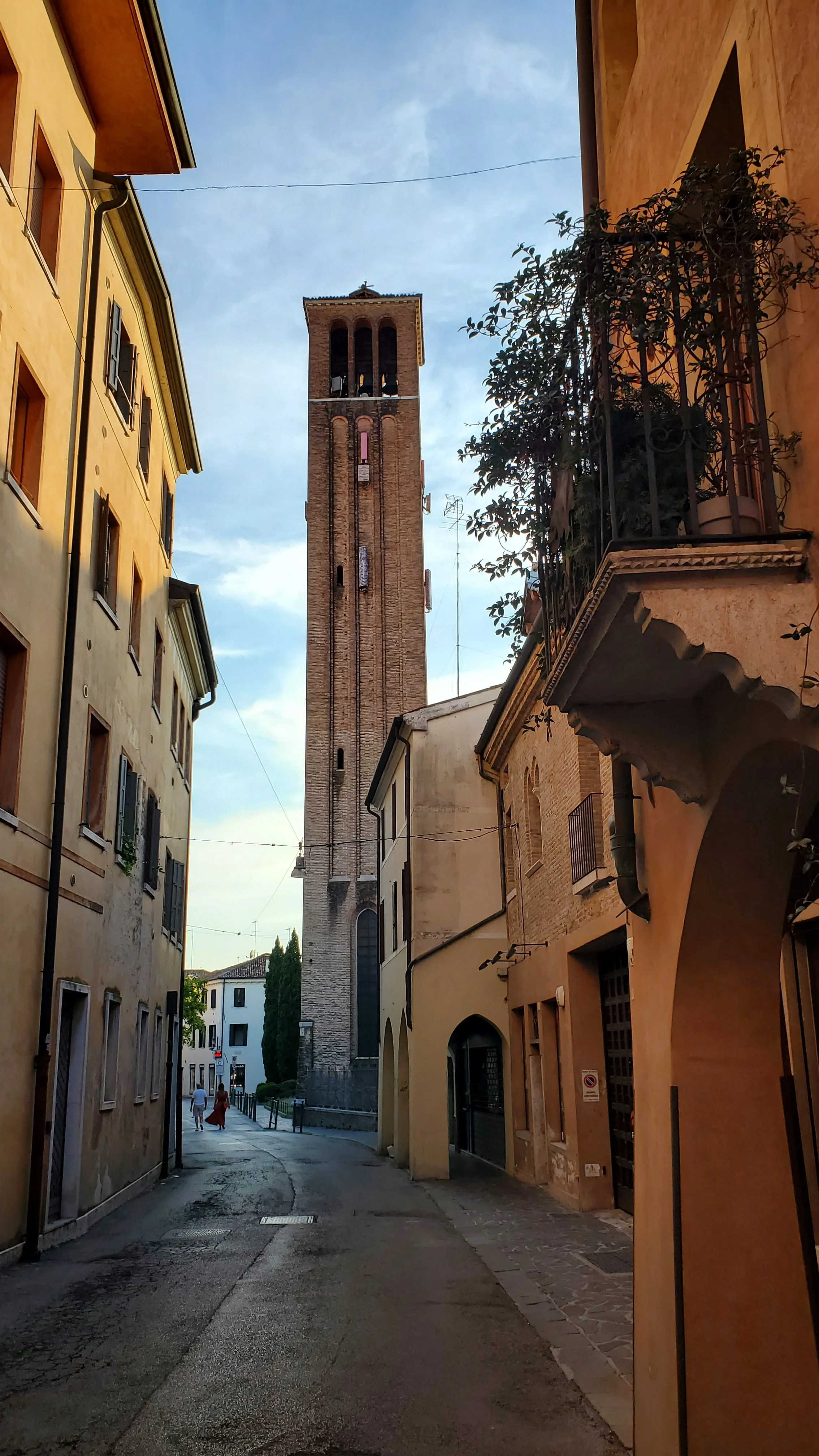
Treviso feels intimate, elegant, understated, and distinctly local. Its canals, waterwheels, historic brick buildings, painted façades, and covered walkways create a visually attractive setting without the intensity of larger Italian cities.
Water is an important part of the city’s character, flowing beneath bridges, alongside restaurants, and around residential buildings. The historic center transitions naturally between commercial streets, residential neighborhoods, and quiet waterfront spaces.
Unlike Venice, Treviso’s waterways are part of a functioning contemporary city where walking, cycling, and ordinary neighborhood activities dominate everyday life.
Visually, Treviso is muted terracotta, sage green, weathered brick, cream-colored plaster, soft yellow façades, dark wooden shutters, and reflective waterways. Its atmosphere lends itself to an elegant, natural, and understated aesthetic.
Back to top ↑Padua vs. Treviso at a Glance
| Category | Padua | Treviso |
|---|---|---|
| Overall atmosphere | Academic, historic, residential | Intimate, elegant, relaxed |
| City size | Medium-sized university city | Smaller regional city |
| Architecture | Porticoes, basilicas, medieval squares | Canals, frescoed buildings, city walls |
| Food identity | Traditional Paduan and Veneto cuisine | Tiramisù, radicchio, Prosecco |
| Walkability | Excellent | Excellent |
| Public transportation | Trams, buses, trains | Buses and trains |
| Regional day trips | Excellent | Very good |
| Evening atmosphere | Livelier during university terms | Generally more subdued |
| Suggested first visit | 3–5 nights | 2–4 nights |
| Longer stays | More variety and regional accessibility | Better suited to a quieter routine |
| Best seasons | Spring and early autumn | Spring and early autumn |
| Car necessary | No | No |
Venice A day trip from Padua or Treviso
Venice is easily accessible by train from both Padua and Treviso, making an overnight stay unnecessary for travelers who prefer a quieter, potentially more affordable base. Arriving in the morning and returning after dinner provides plenty of time to experience the city’s architecture, waterways, neighborhoods, and culinary traditions.
For slow travelers, the advantage is being able to return to Venice several times rather than trying to fit everything into a single visit.
Top 5 Things to See
St. Mark’s Square and Basilica
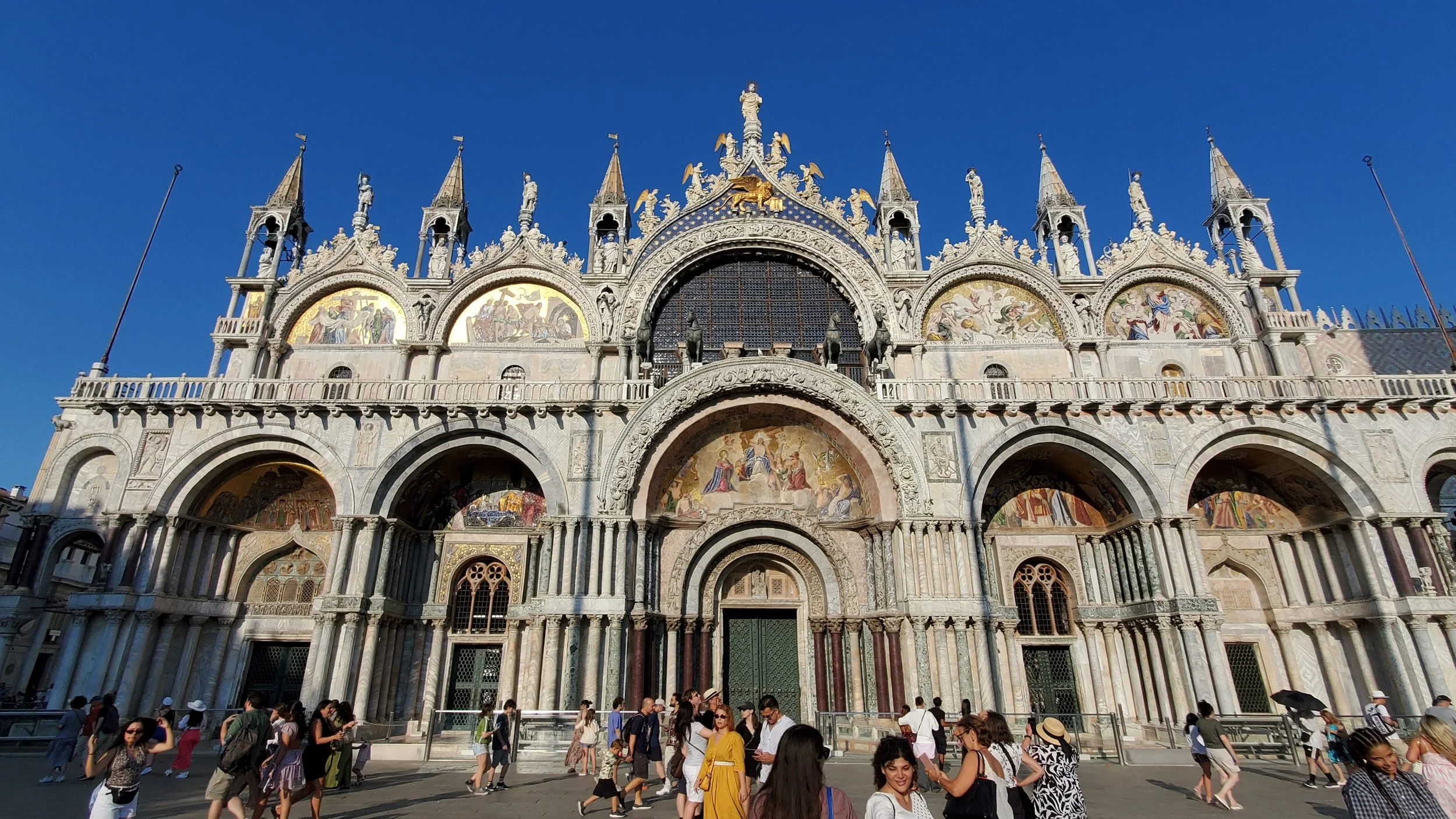
Piazza San Marco is Venice’s most recognizable public square, surrounded by magnificent architecture. The basilica is particularly notable for its Byzantine influences, intricate mosaics, and distinctive domes. Arriving early offers a more comfortable experience before the busiest sightseeing hours.
Doge’s Palace and the Bridge of Sighs
The palace was once the political and administrative center of the Venetian Republic. Its elaborate chambers, artwork, and Gothic architecture reflect the wealth and influence Venice accumulated through maritime trade. A visit also provides access to the historic Bridge of Sighs and former prison complex.
Rialto Bridge and Grand Canal
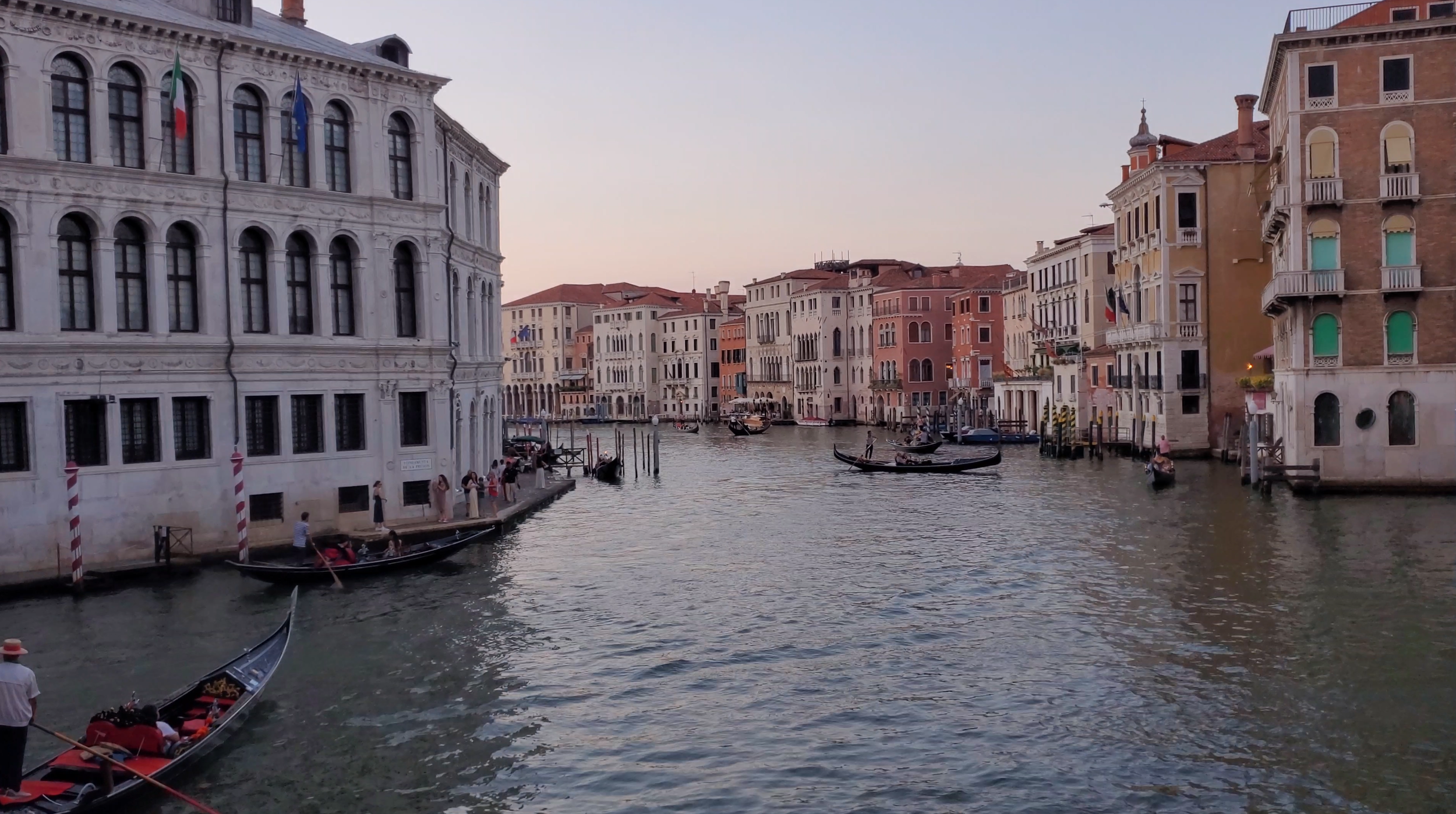
The Rialto Bridge crosses Venice’s principal waterway and offers views of historic palaces, gondolas, and water buses. The surrounding neighborhood has been a center of Venetian commerce for centuries. Nearby streets contain traditional food markets, independent shops, and restaurants.
Basilica di Santa Maria della Salute
This impressive domed church stands near the entrance to the Grand Canal and is one of Venice’s defining architectural landmarks. Its waterfront location provides beautiful views toward St. Mark’s Square. The surrounding Dorsoduro neighborhood offers a quieter atmosphere than the city’s principal sightseeing areas.
Cannaregio and the Historic Jewish Ghetto
Cannaregio offers a more residential perspective on Venice, with neighborhood shops, traditional restaurants, smaller canals, and peaceful squares. Its historic Jewish Ghetto dates to 1516 and represents an important part of European Jewish history. Exploring this district provides a greater understanding of Venice beyond its famous landmarks.
Top 5 Things to Do
Ride a Vaporetto Along the Grand Canal
Venice’s public water buses offer an excellent way to experience the city from the water without paying for a private boat tour. Line 1 stops frequently along the Grand Canal, passing historic palaces, bridges, and churches. It is both a transportation option and a sightseeing experience.
Explore the Lesser-Visited Neighborhoods
Venture beyond St. Mark’s Square and the Rialto Bridge into Cannaregio, Dorsoduro, and residential parts of Castello. These neighborhoods offer smaller squares, independent cafés, quieter canals, and a more relaxed pace. Walking without a rigid itinerary is one of the most enjoyable ways to experience Venice.
Experience a Traditional Bacaro
Bacari are small Venetian wine bars serving drinks alongside inexpensive portions of savory food called cicchetti. Visiting several establishments provides an opportunity to sample different regional specialties. It is an enjoyable alternative to sitting down for a lengthy restaurant lunch.
Visit Murano and Burano
Murano is known for its centuries-old glassmaking traditions, while Burano is recognized for its brightly painted houses and lace-making heritage. Both islands are accessible by public water transportation. For travelers based in Padua or Treviso, visiting the islands on a separate day trip allows more time to appreciate them.
Take a Gondola Ride
A gondola ride offers a different perspective of Venice’s architecture and smaller waterways. Although considerably more expensive than public transportation, it is a distinctive Venetian experience. Couples or small groups can share the cost, as standard gondola fares are charged per boat rather than per passenger.
Top 5 Things to Eat
Cicchetti
These small savory snacks are among Venice’s most characteristic culinary traditions. Options include meatballs, crostini, cheeses, vegetables, cured meats, and seafood. They are particularly convenient for day visitors who prefer sampling several dishes rather than committing to a full meal.
Sarde in Saor
This traditional dish consists of fried sardines marinated with sweet-and-sour onions, vinegar, and sometimes raisins and pine nuts. The preparation originated partly as a way to preserve fish. Its combination of sweetness, acidity, and savory flavors reflects Venice’s maritime culinary history.
Baccalà Mantecato
Dried cod is cooked and whipped with oil to produce a smooth, creamy spread commonly served on bread or polenta. Despite its name, the traditional Venetian preparation typically uses dried stockfish. It remains a staple of many traditional bacari.
Risi e Bisi
This traditional Venetian dish combines rice and peas into a preparation somewhere between risotto and thick soup. It is historically associated with spring and the Feast of Saint Mark. Its simple ingredients provide a lighter alternative to richer regional dishes.
Fritole Veneziane
These small fried pastries are traditionally associated with Venice’s Carnival season. They may contain raisins and pine nuts or be filled with pastry cream or zabaglione. Although most common in winter, variations can sometimes be found at other times of the year.
When to Visit Venice
Winter
Cold, damp, and occasionally foggy, with daytime temperatures around 40–50°F. Fewer crowds outside Carnival and the Christmas holidays. Higher risk of seasonal flooding.
Spring
Comfortable walking temperatures, longer days, and increasingly busy attractions. Easter and public holiday weekends can be particularly crowded.
Summer
Hot, humid, and extremely busy. Narrow streets and crowded water buses can make sightseeing tiring. Early morning arrivals are particularly beneficial.
Autumn
September and October offer pleasant temperatures, although crowds remain considerable. November is quieter but brings a greater risk of rain and high water.
Best months: April, May, late September, and October.
Unlike Padua and Treviso, Venice remains heavily visited during August. Ferragosto does not reduce activity in the principal tourist districts nearly as much as it does in neighboring cities.
Getting to Venice from Padua or Treviso
Both cities offer direct regional train services to Venezia Santa Lucia, the railway station located directly on Venice’s Grand Canal.
| Departure city | Typical journey |
|---|---|
| Padua | 25–50 minutes |
| Treviso | 30–45 minutes |
Regional trains are generally sufficient for these short journeys. There is little reason to pay considerably more for high-speed services.
Make sure your destination is Venezia Santa Lucia rather than Venezia Mestre, which is located on the mainland. From Santa Lucia, you can begin exploring Venice immediately on foot or board a vaporetto outside the station.
Venice day visitor access fee. Venice charges an access fee on selected dates during the busier travel months. Travelers staying in Padua or Treviso should not assume their accommodation exempts them from this requirement. The fee schedule, applicable hours, and exemptions should be checked before each visit, as the rules can change annually.
Getting Around Venice
Walking is generally the easiest and least expensive way to explore the historic city. However, Venice involves considerably more stair climbing than Padua or Treviso because of the numerous pedestrian bridges crossing its canals.
Public water buses are useful for longer distances, visiting the surrounding islands, or reducing the amount of walking required. Comfortable footwear is particularly important, and travelers with mobility limitations should plan their routes carefully.
There are no conventional taxis, buses, or cars operating within the pedestrian streets of historic Venice.
Suggested Day Trips for Longer Stays
Rather than attempting to experience all of Venice in one day, travelers based in Padua or Treviso could divide their visits into three separate outings.
| Day trip | Focus |
|---|---|
| 1. Classic Venice | St. Mark’s Square, basilica, Doge’s Palace, Rialto Bridge, and Grand Canal. |
| 2. The Venetian Islands | Murano and Burano, with Torcello as an optional addition if time permits. |
| 3. Neighborhood Venice | Cannaregio, the Jewish Ghetto, Dorsoduro, traditional wine bars, and quieter residential streets. |
This approach allows for a more relaxed experience without the pressure of completing a long sightseeing itinerary in a single day.
Other practical things to know
- Advance reservations: Book major attractions ahead to reduce time spent waiting in lines.
- Public restrooms: Many facilities charge for access, so carry a few euros.
- High water: Seasonal flooding, known as acqua alta, is more common in autumn and winter.
- Drinking water: Public drinking fountains provide opportunities to refill reusable water bottles.
- Navigation: Walking routes can be confusing, and narrow streets sometimes end unexpectedly at canals. Allow extra time when returning to the railway station.
- Restaurant pricing: Check menus for cover charges and differences between counter and table service.
- Return trains: Check the evening timetable before deciding where and when to have dinner.
- Crowds: Visiting on weekdays and arriving earlier in the morning can make a considerable difference.
Why Visit Venice from Padua or Treviso?
Staying outside Venice allows travelers to experience its extraordinary architecture and history while maintaining a more practical and affordable daily routine.
| Consideration | Staying in Padua or Treviso |
|---|---|
| Accommodation | Generally more affordable |
| Grocery shopping | More convenient for everyday needs |
| Luggage | No need to transport bags across Venetian bridges |
| Evening atmosphere | Less dominated by tourism |
| Regional exploration | Easier access to other Veneto destinations |
| Flexibility | Visit Venice whenever weather and schedules suit |
| Transportation | Short, inexpensive regional train journeys |
For slow travelers, Venice can become one of several destinations to explore throughout an extended stay in Veneto rather than the sole focus of the trip.
The Vibe of Venice
Venice feels ornate, atmospheric, romantic, historic, and unmistakably maritime. Its architectural character reflects centuries of international trade, wealth, artistic achievement, and cultural exchange. Elaborately decorated palaces stand alongside weathered residential buildings, narrow passageways, and small neighborhood squares.
The atmosphere varies considerably depending on where you are. Around St. Mark’s Square and the Rialto Bridge, Venice feels international, energetic, commercial, and crowded. In residential areas, the pace becomes quieter, with neighborhood shops, laundry hanging above narrow streets, and residents traveling by boat.
Visually, Venice is soft pink marble, weathered terracotta, faded ochre, ivory stone, deep burgundy, antique gold, green shutters, and blue-green lagoon water. Reflections, ornate Gothic windows, arched bridges, and aged plaster contribute to its distinctive appearance.
Venice offers an extraordinary sightseeing experience, while Padua and Treviso provide a more practical environment for everyday living. Combining them allows slow travelers to appreciate both sides of Veneto.
Back to top ↑