
Lyon, France — Stay Longer, See More
Lyon is easy to live in: grocery stores everywhere, bakeries on every route, and public transit that saves you from hills when you’re done with stairs.
Full video: Living in Lyon France After Early RetirementLiving in Lyon France After Early Retirement
Getting Oriented in Lyon
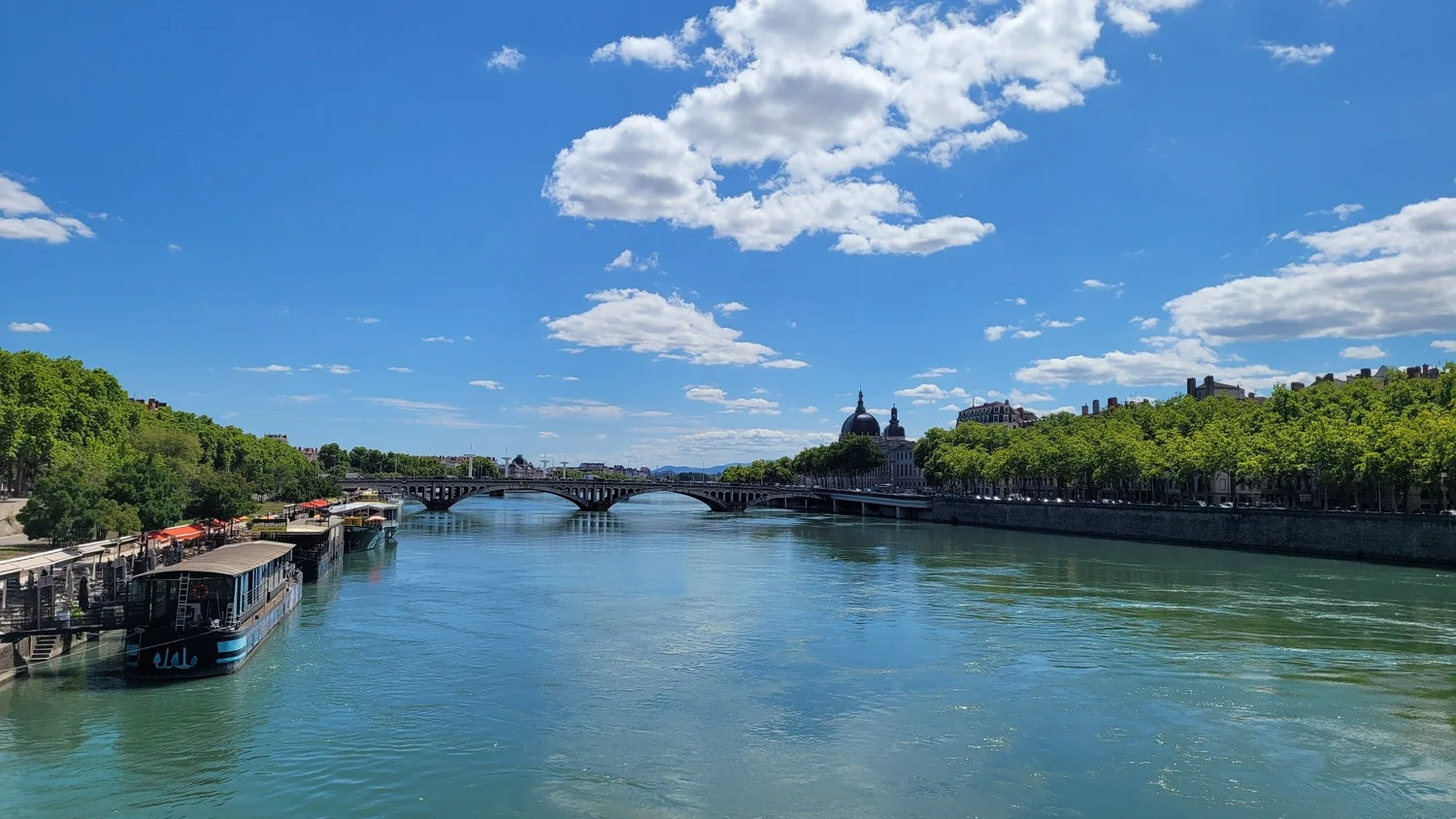
Lyon gets easier once you use the two rivers as your reference points. The Rhône and the Saône create natural, flat walking corridors, and they also help you understand where you are at a glance because you can orient yourself by which river you’re near and which direction it’s running.
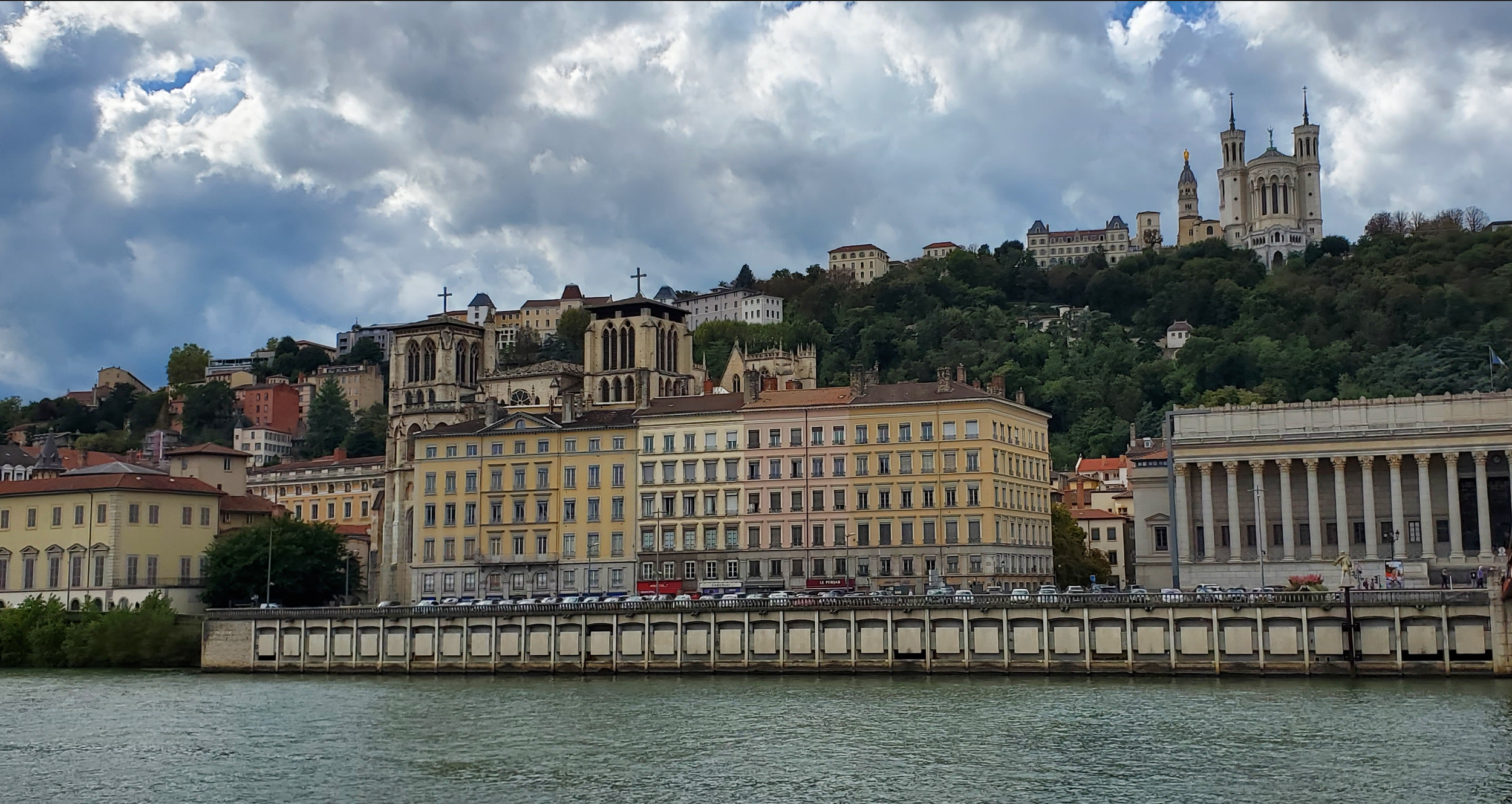
The other piece is elevation. Several great areas sit uphill, which means downhill walks feel effortless and return trips can feel steep, especially after a long day. In practice, Lyon works well when you plan for this: enjoy the walk down when you want it, then take transit back up when you’re done with stairs.
The simplest approach is to pick one anchor each day and keep the rest flexible. A viewpoint, a historic wander, a market stop, or a park reset is usually enough. Lyon rewards wandering, so leaving space in the day often produces the best discoveries.
The city becomes routine-friendly fast. A repeatable grocery run, a bakery route, and one “default walk” along the rivers can turn Lyon into a place that feels easy to live in. Choosing the right neighborhood matters more for longer stays because it shapes how often you walk, shop, and use transit.
Choosing a Neighborhood in Lyon
In Lyon, your base affects your day more than you might expect because hills change how you move. The most useful way to choose a neighborhood is to decide what you want to be easy: flat walking and central access, or a stronger local routine where transit helps with elevation.
Croix-Rousse (4th)
Croix-Rousse is a strong choice when you want everyday life built into the neighborhood: markets, bakeries, and walkable routines that repeat easily. It works especially well for longer stays, but you should expect elevation to influence your days; many outings naturally become “walk down, ride back up.”
Presqu’île (1st/2nd)
Presqu’île is a straightforward base for many visitors because it is central and relatively flat. It’s a good fit when you want to walk to a lot of places without adding extra logistics, and when you want multiple parts of the city to be reachable without needing to plan around hills.
Vieux Lyon (5th)
Vieux Lyon suits travelers who want the historic core right outside the door. It’s compact, visually rewarding, and naturally walkable for sightseeing, though it can be busier depending on season because it concentrates the classic “old city” experience.
Brotteaux / (6th)
The 6th arrondissement near Brotteaux is a calmer, more residential option that pairs well with Parc de la Tête d’Or. It’s a good base if you want quieter evenings and a daily walking neighborhood, even if it feels less “historic postcard” than central areas.
Confluence (2nd)
Confluence is a modern riverfront area with newer buildings and wide-open walking space. It fits travelers who prefer contemporary layouts and an easier sense of space, and it intentionally feels different from historic Lyon.
Back to top ↑Getting Around Lyon
Lyon is very workable without a car because metro, tram, bus, and funiculars operate as one connected system. Most trips naturally become a mix: you walk for discovery and short distances, and you use transit to cross the city efficiently or to avoid uphill climbs when you’re tired.
Payment is simple because you can tap to pay with a contactless card or a phone wallet, which makes spontaneous rides easy when plans change mid-walk. The funiculars are especially useful in Lyon because they remove the “do we really want to climb back up?” problem that shows up in hillier neighborhoods.
A practical strategy that works across different trip lengths is to use the rivers as your default walking routes and let transit handle the vertical parts of the city. That combination keeps the day comfortable without turning transportation into a planning exercise.
Back to top ↑Top Places to See Without Overplanning
The best Lyon stops are the ones that do a job for you. A good “anchor” gives you a clear view, a sense of history, or a piece of everyday life, and then it frees you up to keep the rest of the day flexible. The goal is not to fill a schedule; it’s to pick a few high-value places that make everything else feel easier.
Fourvière
Fourvière is the fastest way to understand Lyon’s layout because you can see how the rivers and the dense core fit together. Doing it early in your trip makes later walks feel more intentional because distances and directions stop being guesswork.
Vieux Lyon
Old Lyon works best when you treat it as a wandering neighborhood rather than a route. Choose a direction, follow the smaller streets, and stop when something pulls you in, because the neighborhood’s density is what makes it satisfying.
Roman theatres
The Roman theatres are expansive and easy to appreciate even if you’re not planning a museum-heavy trip. It’s a strong “Lyon is old” moment that feels significant without demanding a big time commitment.
Les Halles Paul Bocuse
Les Halles is a high-impact stop when you want a snapshot of Lyon’s food culture in one place. It works well as a short visit or as a weather-friendly option that still feels distinctly local.
Parc de la Tête d’Or
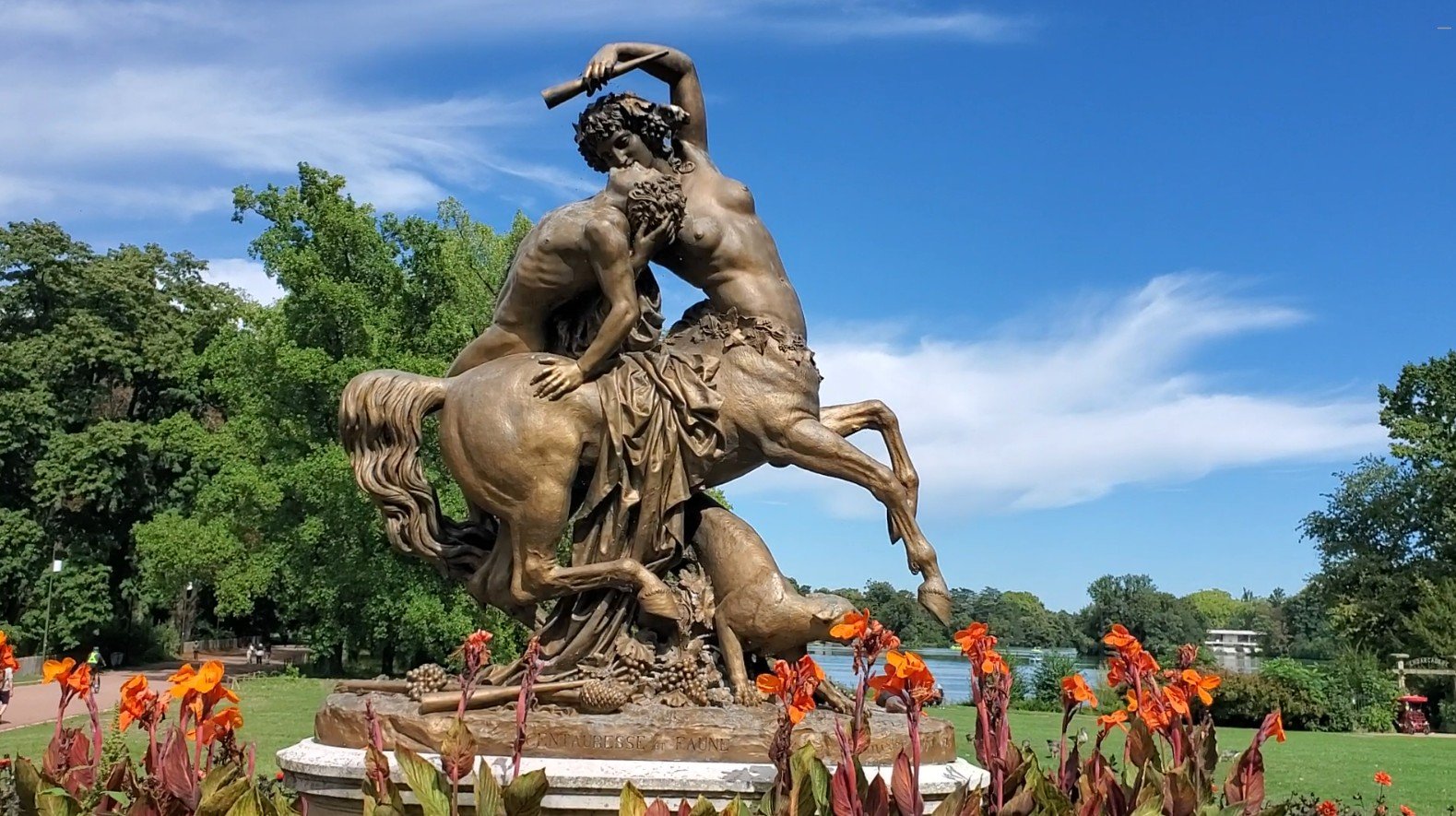
This park is where Lyon looks most like everyday life. It’s ideal for a picnic, a long walk, or an intentionally lighter afternoon that makes the trip feel more livable.
Back to top ↑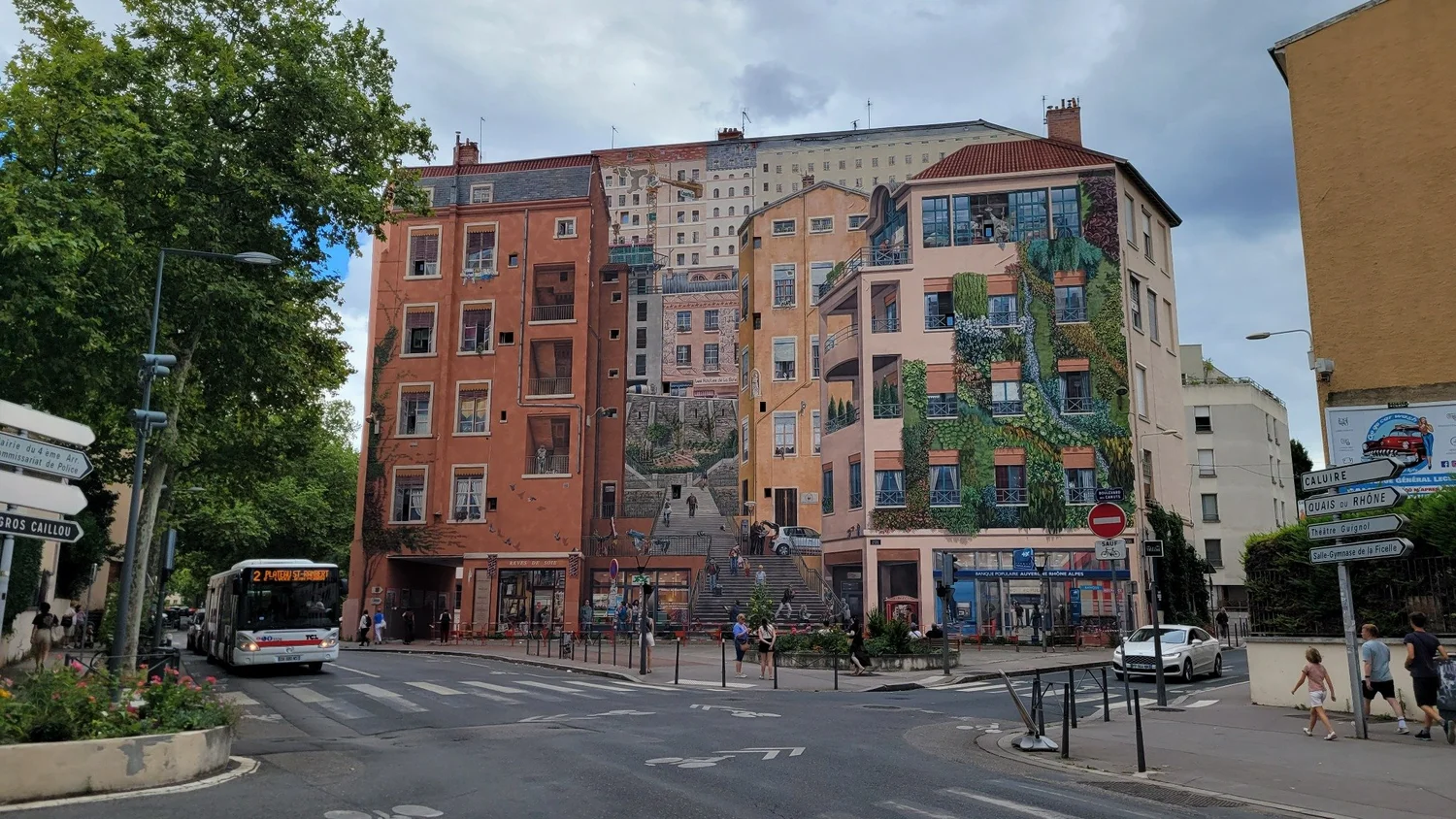
Eating in Lyon: Daily Life & Local Specialties
Lyon supports a simple eating routine because grocery stores and bakeries are woven into neighborhoods. It’s easy to buy what you need, cook when you want, and keep meals uncomplicated, which is especially helpful on longer stays or when you want days that don’t revolve around reservations.
For groceries, Monoprix is often a convenient one-stop option, while Carrefour City/Market and Auchan are common alternatives depending on where you’re staying. Markets are most useful when you want a fresh upgrade—produce, cheese, seasonal items—rather than trying to replace grocery shopping entirely. The Croix-Rousse market is a good neighborhood market option, and Marché Saint-Antoine along the Saône is a classic larger market stop that’s easy to fit into a day.
When you do eat out, Lyon is worth it because the city has specific dishes that feel distinctly local. Quenelles are a classic Lyon order, saucisson brioché is a comfort-food specialty, salade lyonnaise is a reliable “simple but local” choice, and cervelle de canut is an easy way to eat like a local with bread. If you want one signature sweet that clearly signals Lyon, tarte praline is the dessert to look for.
Back to top ↑What It Cost Us to Live in Lyon
Total (for two people): $11,386 for 3 months • ≈ $3,795 per month
This is our baseline number. Every city gets compared to Lyon.
5) What this does not include
Health insurance • cell phone plans • travel between cities • subscriptions (TV/streaming)
6) Why this number is “real”
After a few weeks, spending stopped changing week to week — that’s when Lyon became a true routine baseline.
7) The takeaway
Groceries + transportation stayed consistent for how we live. Housing is the variable that can change the whole result.